How Premium Luxury Cars Protect VIPs: Advanced Safety Standards and Discreet Protection
Safety is the cornerstone of premium travel. Beyond elegant design and exceptional comfort, high-end vehicles combine engineered safety systems, disciplined maintenance, and professionally trained chauffeurs to protect every passenger. Below we outline the critical safety features in luxury cars, explain how chauffeur training raises the standard of protection, and describe the inspection routines that keep a fleet dependable. Throughout, we show how AAA Luxury Car Group applies these practices so every ride is secure, discreet, and comfortable.
What advanced safety features set our premium fleet apart?
We pair the latest in-vehicle driver aids with strict maintenance and experienced chauffeurs. Adaptive systems, routine inspections, and ongoing driver training create overlapping layers of protection designed to keep passengers safe and comfortable on every trip.
How do Adaptive Cruise Control and Automatic Emergency Braking improve safety?
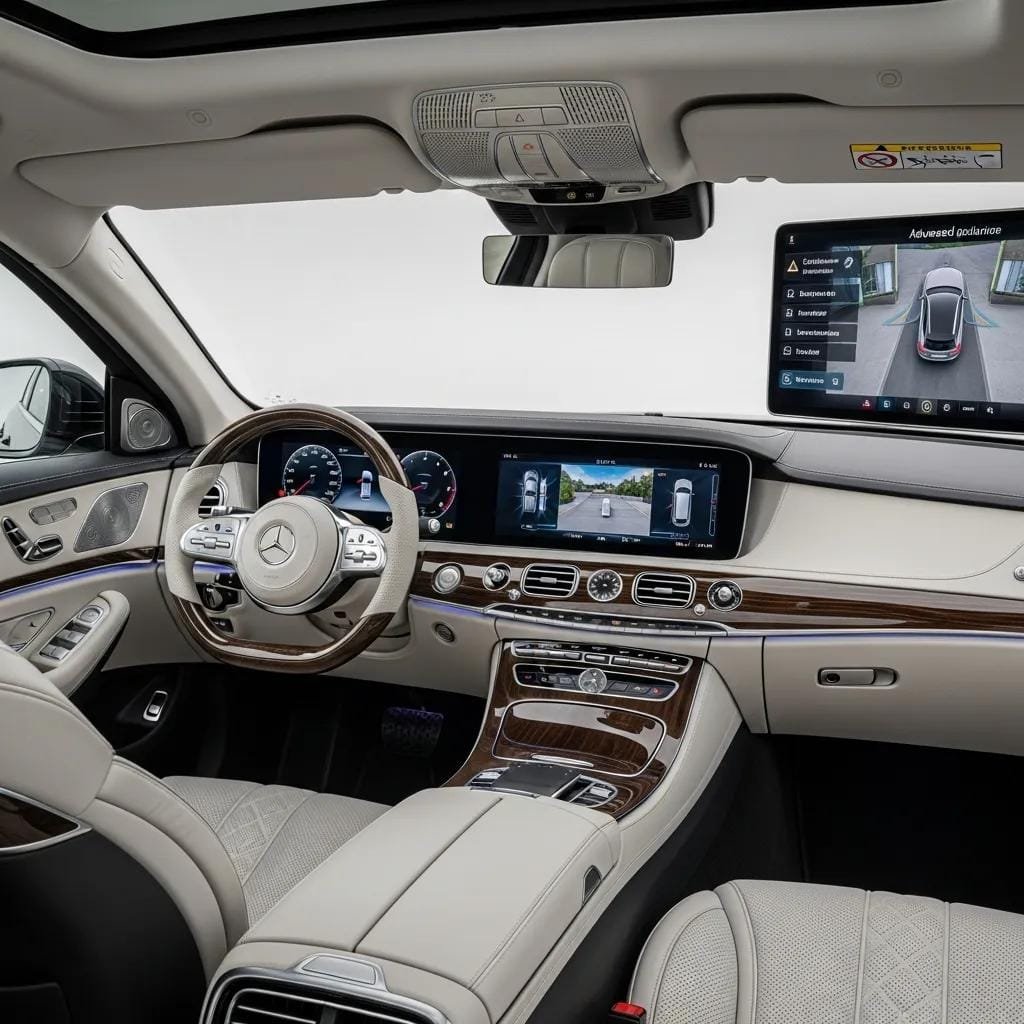
Adaptive Cruise Control (ACC) maintains a steady pace while adjusting to surrounding traffic, reducing the risk of close-following. Automatic Emergency Braking (AEB) senses imminent collisions and applies the brakes if a driver doesn’t react in time. Together, ACC and AEB reduce crash risk and make stop-and-go or heavy-traffic driving smoother and safer.
What roles do Lane Keeping Assist and Blind Spot Monitoring play in preventing collisions?
Lane Keeping Assist gently helps keep the vehicle centered in its lane, while Blind Spot Monitoring alerts the driver to cars that may be out of sight. These systems sharpen situational awareness and lower the chance of unsafe lane changes—key safeguards on modern luxury vehicles.
How are chauffeurs trained to maximize VIP transportation safety?
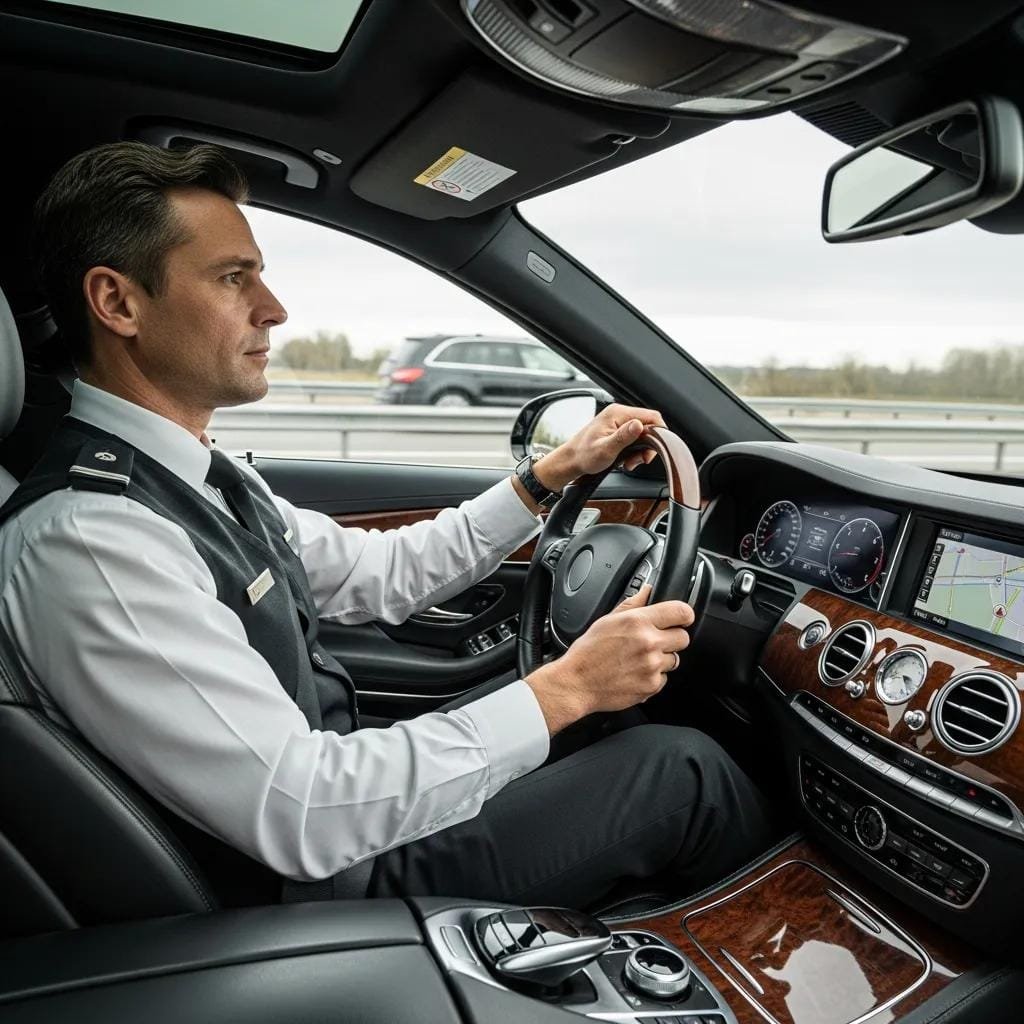
Our chauffeurs complete a structured training program that emphasizes safe driving, elevated client service, and emergency preparedness. The result is a team that protects passengers while delivering a calm, reliable experience.
- Advanced Driving Skills: Drivers train in defensive techniques and emergency procedures so they can manage varied road conditions while prioritizing passenger safety.
- Defensive Driving Techniques: Chauffeurs practice keeping safe following distances, anticipating hazards, and smoothing speed and lane changes to prevent incidents and improve comfort.
- Vehicle Safety Checks: Daily and scheduled inspections — brakes, tires, lights, and fluid levels — keep each car mission-ready. Chauffeurs are trained to act immediately on any irregularities.
- Ongoing Training: Regular refreshers in safe driving, situational awareness, and premium client care ensure skills stay current.
- Chauffeur Background Checks: Comprehensive screening and vetting ensure only qualified, trustworthy professionals serve our clients.
These practices combine to deliver secure, confident transportation and genuine peace of mind.
Which defensive driving habits and checks most directly protect passengers?
Disciplined habits—maintaining proper following distance, anticipating road hazards, and adapting speed and lane choices to conditions—do much of the safety work. When paired with thorough pre-trip and routine vehicle checks and emergency-preparedness training, these measures markedly reduce the risk of incidents and keep passengers safe.
How does real-time driver behavior monitoring improve chauffeur performance?
Real-time monitoring provides immediate feedback so chauffeurs can refine braking, acceleration, and cornering for both safety and comfort. It also supports route optimization in changing traffic and reinforces the professional driving standards clients expect.
What maintenance and inspection standards support our safety commitment?
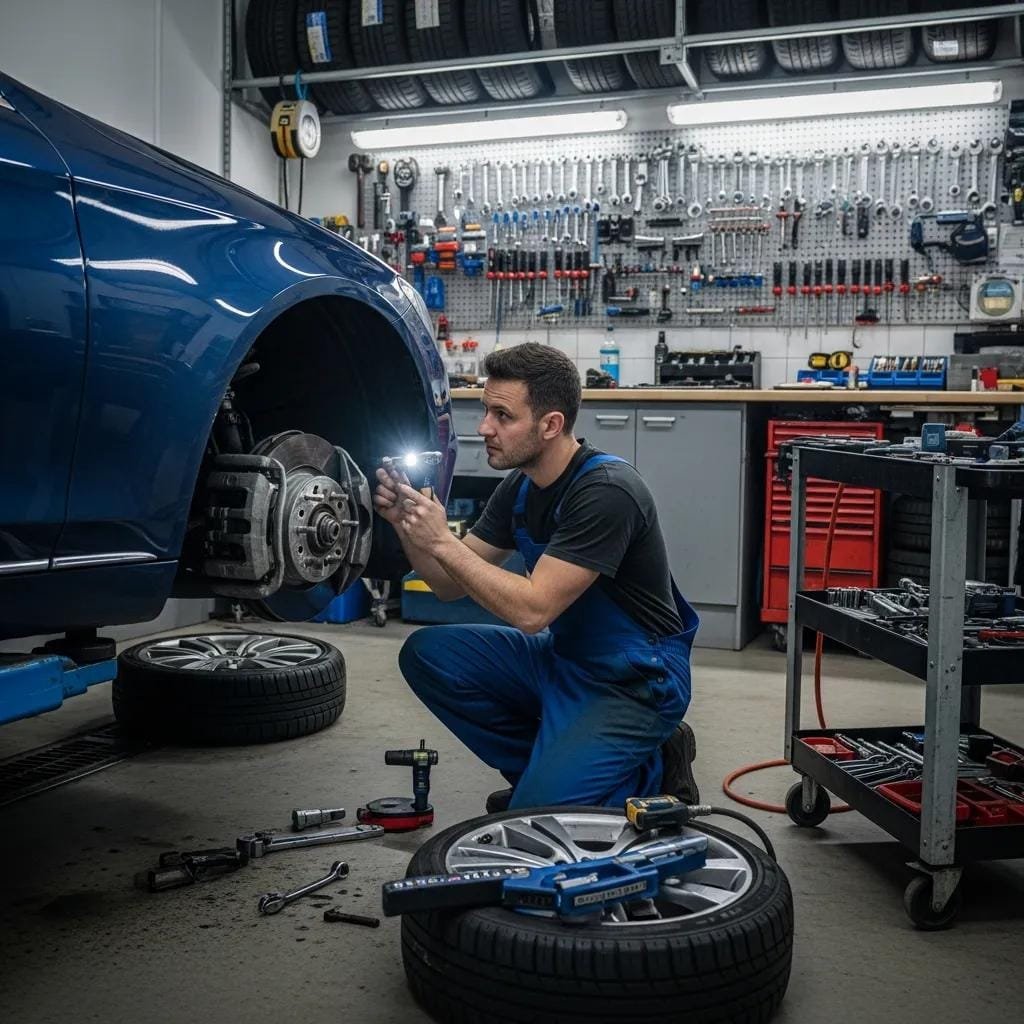
Consistent, thorough maintenance keeps luxury vehicles performing as intended. Our standards call for full-system checks and timely repairs so every car meets or exceeds regulatory and company safety expectations before it carries passengers.
How do mechanical inspections and safety checks align with California regulations?
California requires inspections for registration and smog certification, and some commercial fleets face additional local or federal rules. We follow those requirements and often exceed them, with a particular focus on brakes, lights, tires, and other safety-critical components so our fleet remains safe and compliant.
What sanitization protocols protect passenger health?
To maintain a healthy cabin we use hospital-grade disinfectants, steam cleaning, and selective UV-C treatments. Ozone is used rarely and only under controlled conditions. These methods reduce pathogens and help preserve air quality for every passenger.
Which safety ratings and certifications validate our fleet’s standards?
Independent safety ratings and certifications give clear benchmarks of vehicle protection. We use these ratings when selecting vehicles and when communicating safety expectations to clients.
What do NHTSA 5-Star and IIHS Top Safety Pick+ ratings tell you about our cars?
NHTSA 5-Star ratings indicate strong crash protection, while IIHS Top Safety Pick+ recognizes models that combine crashworthiness with advanced safety technology. Vehicles with these ratings have passed rigorous testing and offer proven protection.
How do Euro NCAP and other certifications reflect premium vehicle safety?
Euro NCAP evaluates occupant protection, pedestrian safety, and driver-assist systems. High scores from these programs demonstrate a manufacturer’s commitment to safety design and help ensure luxury vehicles meet international expectations.
What passenger safety and comfort innovations are standard across our vehicles?
Our cars blend comfort with practical safety innovations to create a calm, protected travel environment.
- Roomy Interiors & Supportive Seating: Spacious layouts and ergonomic seats designed for short hops and long journeys alike.
- Modern Safety Systems: Current driver-assist features and passive safety technologies, all maintained to strict standards.
- Climate Control: Precise temperature management for a consistently pleasant cabin.
- Plush Seating: High-quality seats that support posture and comfort.
- Thoughtful Onboard Amenities: Complimentary bottled water, secure Wi‑Fi, and charging ports so you stay connected and refreshed.
- Skilled Chauffeurs: Drivers trained in defensive driving and emergency protocols to keep your ride safe.
- Routine Safety Inspections: Regular checks of brakes, tires, lights, and fluids to ensure reliability.
- Personalized Service: Chauffeurs adapt amenities and timing to your preferences for a tailored experience.
Together, these features create a travel experience that feels both luxurious and secure.
How do advanced airbag systems and modern seat belt tech protect occupants?
Multiple airbags deploy in a coordinated way to cushion impacts, while seat belt systems—such as pre-tensioners and load limiters—help hold occupants securely. These technologies work together to lower injury risk in a collision.
What secure communication and child-seat options support VIP comfort?
Encrypted communication tools let passengers maintain privacy on the move. For families, we provide age-appropriate child seats and secure anchoring so every passenger—young or old—travels safely and comfortably.
How does AAA Luxury Car Group secure VIP transportation in Orange County?
In Orange County we combine modern tracking, local expertise, and strict operating procedures to deliver dependable, secure VIP transportation.
What GPS tracking and real-time monitoring systems support safety?
Our fleet uses advanced GPS and live-monitoring systems to track vehicle locations, improve ETAs, and respond quickly to incidents. This visibility helps us stay on schedule and act fast if an emergency arises.
How do we meet local transportation laws and emergency protocols?
Compliance begins with trained drivers and well-maintained vehicles. We monitor traffic and flight updates, apply local routing knowledge, and follow established emergency response protocols so passengers arrive safely and on time while meeting all local regulations.
Frequently Asked Questions
What types of advanced safety technologies are commonly found in luxury cars?
Luxury cars commonly include adaptive cruise control, lane departure warnings, automatic emergency braking, and blind spot monitoring. These systems work together to boost driver awareness and reduce accident risk. Many models also offer multiple airbags, advanced traction control, and electronic stability systems to protect occupants across a variety of driving conditions.
How does the training of chauffeurs impact passenger safety?
Chauffeur training is essential to passenger safety. Training covers defensive driving, emergency response, and customer service so drivers can anticipate hazards, keep safe following distances, and manage vehicle dynamics for a smooth ride. Regular refresher courses and performance monitoring help chauffeurs maintain high standards in changing conditions.
What are the key differences between luxury and standard vehicle safety features?
Luxury vehicles generally offer more advanced driver-assist technologies, higher build quality for crash protection, and more comprehensive airbag systems. They also tend to undergo extensive testing and often incorporate real-time monitoring and adaptive systems that raise the overall level of safety and performance.
How do luxury car services ensure the health and safety of passengers during rides?
Luxury car services follow strict sanitization protocols: hospital-grade disinfectants, steam cleaning, and UV-C treatments where appropriate. Chauffeurs perform pre-trip inspections and follow health guidelines, keeping cabins clean and safety systems functioning for every passenger.
What should clients know about the importance of vehicle safety ratings?
Safety ratings from organizations like NHTSA and IIHS offer insight into a vehicle’s crash protection and safety technology. High ratings mean a car has passed rigorous testing and meets strong safety benchmarks—an important factor when choosing a luxury transport provider.
How can passengers contribute to their own safety while traveling in luxury cars?
Passengers can help by always wearing seat belts, ensuring child seats are properly installed, and communicating any needs to the chauffeur. Staying aware of surroundings and minimizing distractions also contributes to a safer trip.
What are the benefits of using a luxury car service for corporate travel?
Corporate travelers benefit from enhanced comfort, privacy, and professionalism. Well-maintained vehicles with advanced safety features and trained chauffeurs let clients work or relax en route. Reliable punctuality and discreet service make luxury car services a smart choice for business needs.
What are the benefits of a luxury car with advanced safety features?
Advanced safety features lower accident risk, improve crash protection, and make driving more predictable and comfortable. Systems like adaptive cruise control, lane-keeping assist, and automatic emergency braking work together to protect occupants, while strong build quality adds impact absorption—giving greater peace of mind.
How often should luxury vehicles undergo maintenance checks?
Follow the manufacturer’s schedule, but common practice is every 5,000–7,500 miles or at least twice a year depending on use. Regular inspections of brakes, tires, lights, and fluids keep safety systems functioning and extend vehicle life.
What should passengers expect during a luxury car ride in terms of safety?
Expect disciplined defensive driving, pre-trip vehicle checks, modern safety technology, and discreet, professional service. Chauffeurs are trained to manage emergencies and protect privacy so passengers can relax knowing safety and comfort are priorities.
How do luxury car manufacturers ensure compliance with safety regulations?
Manufacturers run rigorous crash tests and certification with organizations like NHTSA and IIHS. They integrate advanced safety systems and update features to align with the latest research and regulatory standards.
What role does technology play in vehicle safety?
Technology enhances driver awareness and automates critical interventions. Sensors, cameras, and real-time monitoring support systems such as adaptive cruise control, lane departure warnings, and automatic emergency braking, while driver-behavior tools help maintain consistent professional standards.
Are there specific safety features that help families traveling in luxury cars?
Yes. Family-focused features include child-seat anchors, adjustable seat belts, multiple airbags, spacious interiors, and reliable climate control. Together, these options make family travel safer and more comfortable.
What should clients look for when choosing a luxury car service for VIP transportation?
Choose a provider with verified chauffeur training, robust background checks, a well-maintained fleet with advanced safety features, strong on-time performance, and a reputation for discretion and personalized service. These factors deliver a secure, seamless journey.
Conclusion
Choosing a premium luxury car means choosing layered protection: engineered safety systems, disciplined maintenance, and expert chauffeurs. At AAA Luxury Car Group, we combine these elements so every ride is safe, discreet, and comfortable. Explore our fleet and experience how professional standards and thoughtful service turn transportation into a reliable, worry-free experience.
Conclusion
Opting for a premium luxury car delivers a comprehensive safety experience through advanced safety features, meticulous maintenance, and highly trained chauffeurs. This approach protects passengers and enhances the overall travel experience, providing real peace of mind. Learn how AAA Luxury Car Group prioritizes your safety and comfort—contact us to discover our services and book your next ride.